Insights & Trends
The State of Display Advertising: What the Data Tells Us
Display is not dead. But it has changed. Here is what our platform data reveals about where display actually works in 2025.
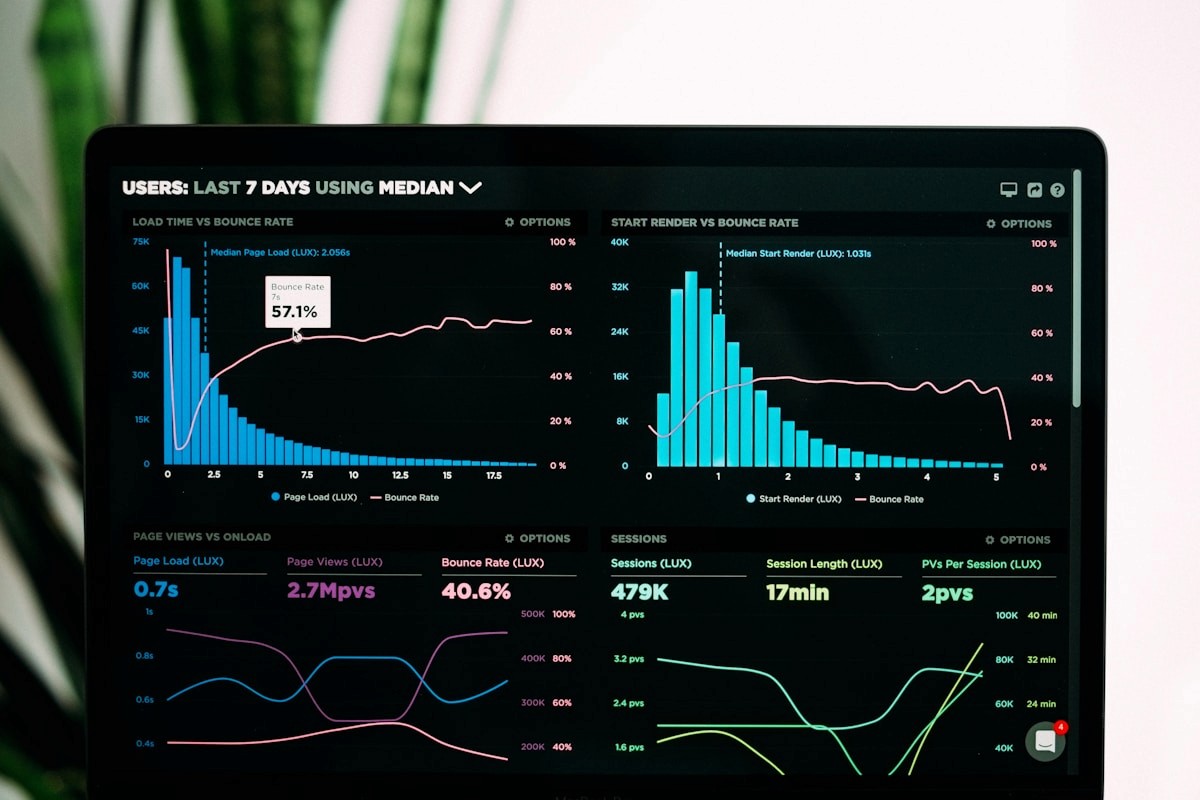
Every year someone writes the obituary for display advertising. And every year display keeps generating billions in revenue. The channel is not dying. But it is evolving in ways that matter, and the advertisers who treat it the same way they did five years ago are the ones watching their returns shrink while their competitors pull ahead.
We process a massive volume of display bid requests daily across our platform, covering everything from premium publisher placements to mobile web inventory across dozens of markets. Here is what we are actually seeing in the data, and what it means for how you should be thinking about display in your campaigns.
The Good News: Display Still Converts
For retargeting campaigns on our platform, display banners consistently deliver the lowest cost per acquisition across all channels. When someone has already visited your site, engaged with your content, or interacted with your brand through another channel, a well-timed 728x90 or 300x250 banner does the job efficiently and cost-effectively.
The reason is simple: display retargeting catches people during their normal browsing behaviour and reminds them of something they already showed interest in. The creative does not need to do the heavy lifting of building awareness or generating interest. It just needs to nudge someone who is already warm toward completing an action. For that specific job, display remains unbeatable on a cost-per-conversion basis.
Premium inventory matters more than ever. The gap between high-quality and low-quality display placements is widening dramatically. Campaigns running on curated publisher lists through our platform see click-through rates 3-4x higher than broad run-of-network buys targeting the same audiences. Viewability rates on premium placements average 72% compared to just 41% on open exchange inventory.
That is not a small difference. It means that for every dollar you spend on premium display, you are getting nearly twice the actual visibility compared to cheap open-exchange inventory. When you factor in the downstream conversion rates, the premium inventory often comes out cheaper on a cost-per-acquisition basis despite the higher CPMs.
The Challenges: What Has Changed
Banner blindness is real and getting worse. For prospecting campaigns targeting cold audiences, display alone struggles to capture attention in a meaningful way. We see this clearly in our A/B tests across hundreds of campaigns. Display-only prospecting campaigns deliver 40-50% lower engagement rates compared to native or in-app campaigns targeting the same audiences with the same budget.
Users have been trained over two decades of internet use to ignore rectangular ads in the margins of web pages. Their eyes literally skip over standard banner placements. This does not mean display is useless for prospecting, but it means you need to set expectations accordingly and not rely on display alone to introduce your brand to new audiences.
Creative fatigue hits faster than most brands realise. Display ads wear out quickly. Our data across thousands of campaigns shows performance typically drops 25-30% after just seven days with the same creative. By the end of the second week, you have lost another 15-20%. Brands running the same banners for a month or more are paying full price for impressions that have lost most of their effectiveness.
The brands outperforming on display are the ones refreshing creative at least bi-weekly. That sounds like a lot of production work, and it is. But the alternative is watching your campaign plateau while your budget keeps spending at the same rate on ads nobody is clicking anymore.
Cookie erosion is shrinking your addressable audience. With Safari and Firefox already blocking third-party cookies, and Chrome's cookie coverage declining, the pool of users you can target and retarget through traditional cookie-based display is getting smaller every quarter. If you are running display retargeting and wondering why your reach seems to be shrinking while your frequency keeps climbing, this is likely the reason.
Where Display Fits in 2025
Based on what we see across our entire client base, display works best as part of a cross-channel strategy rather than as a standalone channel. The most effective approach we see follows a clear pattern:
Use native advertising or CTV to build awareness and generate initial interest. These channels are better at capturing attention from cold audiences because they match the content environment and do not trigger the same banner blindness.
Use in-app placements for high-intent environments where users are focused and engaged. In-app consistently outperforms mobile web display on viewability and post-click conversion metrics.
Then use display for retargeting, reinforcement, and closing the loop. Once a user has already encountered your brand through another channel, display becomes incredibly efficient at keeping your brand present and driving them toward conversion.
The brands getting the most value from display on our platform are not treating it as a standalone acquisition channel anymore. They are using it as the connective tissue in a broader cross-channel campaign, the format that shows up reliably across the web to keep the brand visible and present while other channels handle the heavy lifting of new user acquisition and consideration.
Display is not going anywhere. But the way you use it needs to keep pace with how people actually experience the internet today. Treat it as a supporting player in a larger strategy, invest in premium inventory, refresh your creative regularly, and let smarter channels handle the top of the funnel. That is how display delivers in 2025.
OTHER BLOGS